


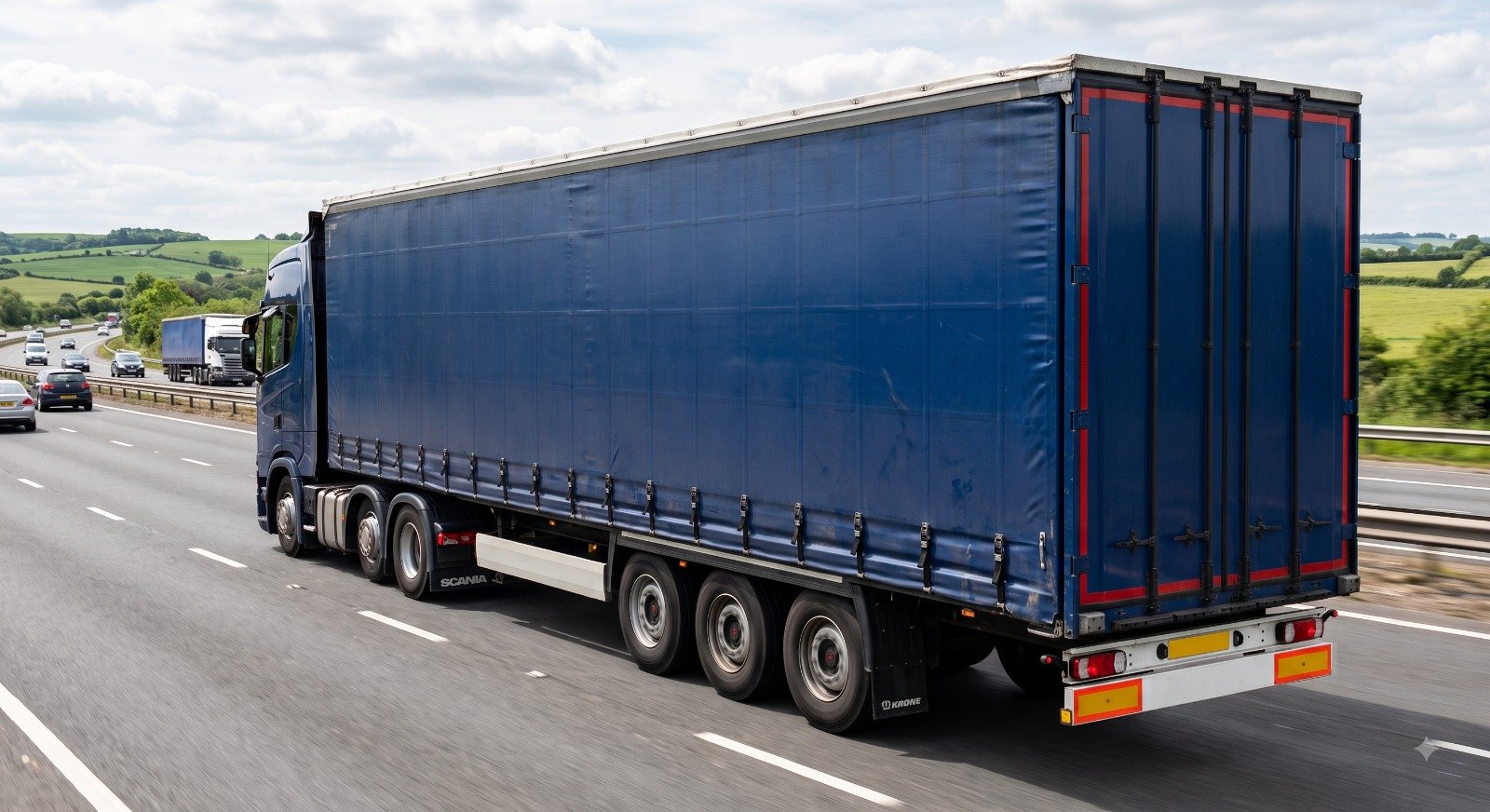
Sourcing Truck Curtains and Tarpaulins in Bulk
A procurement guide for fleet operators buying side curtains and tarpaulins at scale from Indian suppliers.
For fleet operators, logistics companies, and transport contractors, truck side curtains and tarpaulins aren't a one-time purchase; they're a recurring, high-volume line item. Whether you're outfitting a new fleet, replacing worn covers across dozens of vehicles, or setting up a standing supply arrangement, the sourcing decisions you make directly affect uptime, cargo protection, and cost per vehicle.
This guide walks through what fleet procurement teams and dealers should evaluate before finalizing a truck side curtain procurement guide–style sourcing decision, and how to structure a bulk order that holds up over years of road use.
Why Procurement Strategy Matters More Than a Single Purchase
A single tarpaulin or side curtain is a simple purchase. Sourcing for an entire fleet is not. At scale, small differences in fabric grade, stitching quality, or supplier reliability compound into major cost and downtime differences across a 50, 100, or 500-vehicle fleet.
Procurement teams sourcing in bulk need to think beyond unit price and evaluate:
- Fabric composition and coating (PVC vs PVDF-coated polyester)
- Tensile strength and tear resistance under load
- UV, water, and abrasion resistance for long highway runs
- Consistency across large order batches
- Lead times and repeat-order reliability
- After-sales support for repairs, replacements, or custom sizing
Key Considerations When Buying in Bulk
1. Fabric grade and coating Side curtains and tarpaulins are subjected to constant flexing, loading friction, weather exposure, and road vibration. A lower-grade fabric may look identical on day one but degrade rapidly within a season. For serious fleet tarpaulin procurement, specify fabric GSM, coating type, and tensile strength upfront rather than relying on a supplier's general description.
2. Standardization across the fleet Buying from multiple small vendors over time often results in inconsistent curtain dimensions, mismatched colors, and varying fabric quality across the fleet — which complicates maintenance and spare-parts management. Sourcing through a single manufacturer for truck curtain wholesale orders keeps specifications uniform across every vehicle.
3. Order volume and pricing structure Bulk tarpaulin supply pricing typically improves significantly at higher order volumes, but only if the supplier can maintain quality at scale. Ask for sample batches before committing to a full fleet order, and clarify whether pricing is tiered by volume or fixed per unit regardless of quantity.
4. Customization requirements Fleet vehicles vary — flatbeds, container trucks, tankers, and trailers all require different curtain configurations, eyelet placements, and reinforcement points. A capable supplier should be able to customize dimensions, stitching patterns, and fastening systems (buckles, ropes, zippers) to match your specific vehicle types.
5. Lead time and repeat-order reliability Fleet operations can't afford long gaps between order and delivery, especially when replacing damaged covers mid-route. Before finalizing a vendor, confirm typical production timelines for large orders and whether repeat orders can be fulfilled without renegotiating specifications each time.
6. Export and compliance readiness If you're sourcing for a fleet that operates across borders, or as a dealer supplying international markets, working with a tarpaulin exporter for fleets that understands export documentation, packaging for transit, and international quality standards saves significant downstream friction.
Evaluating a Supplier: Questions Worth Asking
Before signing a bulk procurement agreement, fleet buyers and dealers should ask:
- What fabric weight (GSM) and coating type is used, and can specifications be provided in writing?
- Can the supplier produce consistent quality across a 100+ unit order?
- What's the standard lead time for bulk orders, and can it scale during peak season?
- Are custom sizes, colors, and branding (printed logos) available?
- What warranty or replacement policy applies to manufacturing defects?
- Does the supplier operate as a manufacturer, or are they reselling third-party stock?
That last question matters more than it might seem sourcing directly from a manufacturer rather than a trading intermediary generally means better pricing, faster customization, and more accountability if a batch doesn't meet specification.
Why Fleet Buyers Are Sourcing Directly from Manufacturers
Working with an established fabric manufacturer and supplier in India removes several layers of markup and miscommunication that come with buying through resellers. Manufacturers who also handle fabrication in-house can offer tighter quality control, faster turnaround on large orders, and the flexibility to adjust specifications for different vehicle types within the same order.
Lucky International is one of the established truck cover and tarpaulin manufacturers in India, producing PVC and PVDF-coated fabric for truck side curtains, tarpaulins, and related transport covers at scale. For fleet operators and dealers evaluating suppliers for bulk procurement, working with a manufacturer like Lucky International means specifications, fabric quality, and delivery timelines can be locked in directly — without the variability that comes from buying through multiple intermediaries.
Structuring a Bulk Procurement Order
A well-structured fleet order generally includes:
- A written fabric specification sheet (GSM, coating, tensile strength)
- Sample approval before full production begins
- Agreed dimensions and customization per vehicle category
- A confirmed production and delivery timeline
- Clear terms for defect replacement and repeat ordering
Locking these details in before production starts prevents costly rework and keeps large orders moving on schedule.
Frequently Asked Questions
Q: What fabric is best for truck side curtains and tarpaulins?
A: PVC and PVDF-coated polyester fabrics are the industry standard for transport covers, offering strong resistance to UV exposure, abrasion, and water while remaining flexible enough for repeated use.
Q: How much does bulk tarpaulin supply cost compared to individual purchases?
A: Bulk pricing is typically lower per unit than individual purchases, though the exact discount depends on order volume, fabric specification, and whether customization is required.
Q: Can truck curtains be customized for different vehicle types?
A: Yes. Dimensions, eyelet placement, reinforcement points, and fastening systems can all be customized to fit flatbeds, container trucks, tankers, and trailers.
Q: How long does production take for a large fleet order?
A: Lead times vary by order size and customization level, but working with a manufacturer directly generally allows for more predictable and scalable production timelines than sourcing through resellers.
Q: Is it better to buy from a manufacturer or a distributor?
A: For large or recurring orders, sourcing directly from a manufacturer typically offers better pricing, tighter quality control, and faster resolution of any specification issues.