


Flexitank Fabric: What Buyers Should Know About Strength and Barrier Properties
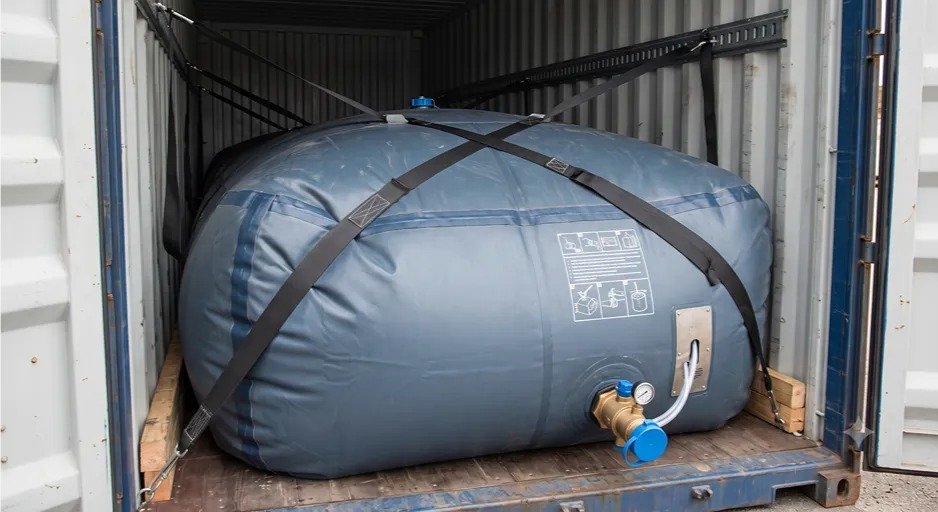
Flexitanks are used to move large volumes of liquid inside standard shipping containers, so the fabric they are made from has to do a lot of heavy lifting. A small weakness in the material can lead to leaks, contamination, or a failed shipment. If you are buying flexitanks or sourcing the fabric behind them, here is what actually matters when it comes to fabric strength and barrier properties.
Why Fabric Quality Matters in a Flexitank
A flexitank is essentially a large flexible bag that sits inside a container and holds liquid cargo during transport. Unlike a rigid tank, it relies entirely on the fabric to hold its shape, carry the load, and keep the liquid contained through loading, transit, and unloading.
This means the fabric is not just packaging. It is the actual containment system. Any gap in strength or barrier protection puts the whole shipment at risk, which is why buyers need to look past the price tag and check the fabric properties closely.
Tear Strength: The First Thing to Check
Tear strength tells you how well a fabric resists ripping once a small cut or weak point develops. During loading, transit, and unloading, flexitanks go through a fair amount of stress, sudden pressure from the liquid, movement inside the container, and contact with container walls and fittings.
A tear strength flexitank fabric with good ripping resistance is less likely to develop a small nick into a full tear. Buyers should ask suppliers directly about the tear strength testing behind their fabric, rather than assuming that all flexitank material performs the same way.
Tensile Strength and Load Handling
Tensile strength is about how much pulling force the fabric can handle before it stretches or fails. Since a flexitank fabric carries the full weight of the liquid inside it, especially at the base and seams, this property directly affects how safely the tank performs during a full loaded journey.
Fabric with strong tensile properties holds its shape better under pressure and reduces the risk of stretching or deformation over the course of transit.
Barrier Properties: Keeping the Liquid Contained
Barrier performance is what keeps the liquid inside the tank and outside contaminants from getting in. This comes down to the coating used on the fabric. PVC and PVDF coatings create a smooth, tightly sealed surface that resists permeation, meaning liquid does not slowly seep through the material over time.
A good liquid barrier fabric should:
- Resist permeation from the cargo it is designed to carry
- Maintain its seal strength across the full duration of transit
- Stay stable across temperature changes during shipping
- Resist chemical interaction with the cargo, so the fabric does not degrade or react with what it is holding
Chemical Barrier Textile Properties
Not every flexitank carries the same type of liquid, so chemical compatibility is a key check. A chemical barrier textile needs to resist breaking down when it comes into contact with the specific liquid being transported, whether that is food-grade liquid, industrial fluid, or another type of bulk cargo.
Buyers should confirm with their supplier that the fabric coating is suited to the type of liquid being shipped, since a mismatch here can affect both the fabric and the cargo quality.
Seam and Weld Strength
Strength testing on the fabric itself only tells part of the story. Flexitanks are built from fabric panels that are welded together, and those seams carry just as much stress as the fabric itself, sometimes more. A flexitank is only as strong as its weakest seam, so buyers should ask how the seams are welded and tested, not just how the base fabric performs.
A Quick Checklist for Buyers
When evaluating flexitank fabric, it helps to go through a simple checklist:
- Tear strength suited to handling and transit stress
- Tensile strength that supports the full loaded weight
- A coating designed for liquid barrier performance
- Chemical compatibility with the specific cargo type
- Reliable, well-tested seam welding
Working with the Right Flexitank Material Supplier
Fabric strength and barrier properties are not something to guess at. They come down to how the base textile is engineered and coated, and that starts with the fabric manufacturer behind the product.
Lucky International works as Fabrics Manufacturers and Supplier for PVC and PVDF coated textiles, including fabric used in Flexi Tank applications. As Flexi Tank fabric Manufacturers, the focus stays on getting the coating, strength, and barrier properties right for the liquid being transported, so buyers can rely on the fabric doing its job through the full journey.
If you are sourcing material from a flexitank material supplier, it is worth asking them for clear details on tear strength, tensile strength, and chemical barrier performance before finalising an order, rather than after a shipment has already gone out.
Frequently Asked Questions
1. What is tear strength in a flexitank fabric?
Tear strength shows how well the fabric resists ripping once a small cut or weak spot forms, which matters during loading, transit, and unloading.
2. Why do barrier properties matter in a flexitank?
Barrier properties keep the liquid cargo contained and prevent outside contaminants from entering, mainly through the fabric's coating.
3. Does the chemical type of the cargo affect fabric choice?
Yes. Different liquids need different coating compatibility, so the fabric should be matched to the specific cargo being transported.
4. Are seams as important as the fabric itself in a flexitank?
Yes. Seams carry a lot of stress during transit, so well-tested seam welding is just as important as the base fabric's strength.