


Sourcing Biogas Cover Fabric from India? Here's the Checklist Overseas Buyers Use Before Signing Off on a Supplier
Importing a biogas cover isn't the same as importing a regular tarp or sheet. The material has to hold gas pressure for years, resist UV exposure day after day, and survive whatever climate it lands in, from humid coastal ports to dry inland plants. Overseas buyers who skip due diligence at the sourcing stage often end up dealing with early wear, leaks, or a cover that simply doesn't match the specs promised in the quotation.
At Lucky International, we regularly work with biogas plant operators, EPC contractors, and equipment distributors abroad who are sourcing fabric from India for the first time. This guide covers the key things to look at before you commit to a supplier, so your biogas cover import checklist actually protects your project.
Why the Fabric Grade Matters More Than the Price
A biogas cover looks simple from the outside, but the fabric underneath is doing a lot of work. It's holding gas under pressure, flexing with weather changes, and staying airtight for years without direct access for repairs in many installations. This is why choosing a PVC biogas cover exporter based on price alone can backfire quickly. A slightly cheaper cover that fails in year three costs far more than a properly specified one that lasts a decade.
Ask your supplier for the exact composition of the biogas plant cover fabric they're offering, including denier, coating weight, and tensile strength. A reliable manufacturer will share this without hesitation.
Checklist Before You Import
Confirm the fabric specifications in writing. Get the full biogas cover specifications on paper, not just a verbal assurance. This should include thickness, UV stabilization details, and gas permeability figures.
Ask about seam strength testing. The seams are usually the weakest point on any gas balloon cover, so find out how the supplier tests and certifies their welds before shipping.
Check UV and weather resistance data. Your installation site's climate matters. A cover rated for a temperate region may not hold up the same way under intense tropical sun for years on end.
Request sample swatches before the full order. A small physical sample tells you more about coating quality and flexibility than any spec sheet.
Verify export documentation and compliance. Make sure the supplier is set up for smooth international shipping, with proper certificates and packaging suited for sea or air freight.
Ask about warranty terms. A manufacturer confident in their product will usually back it with a clear, written warranty period.
Understanding Biogas Domes Cover Requirements
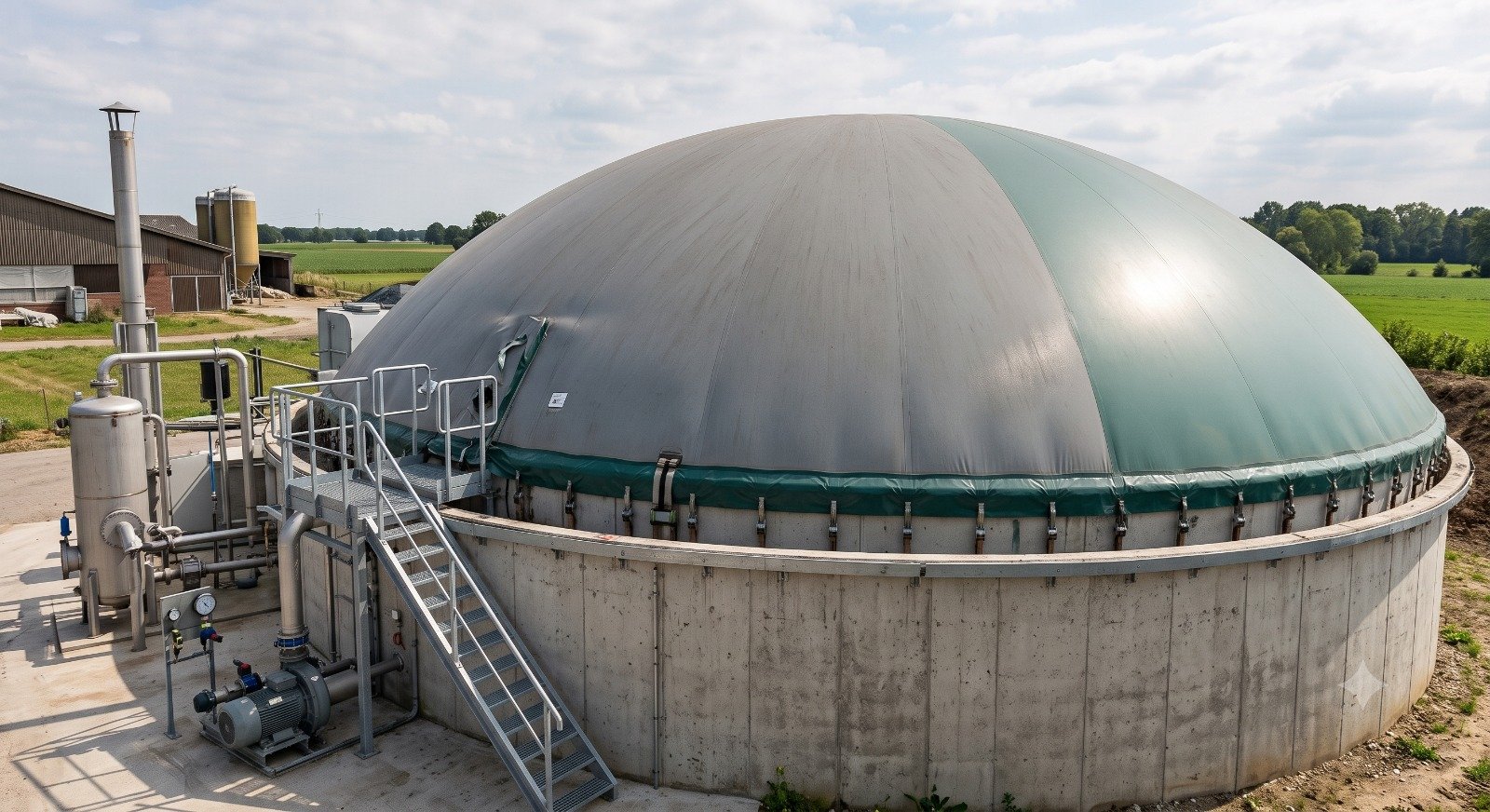
Biogas domes covers face a slightly different set of demands compared to flat covers. The dome shape means the fabric is under constant multidirectional stress, so uniform coating and consistent thickness across every panel become even more important. When you're evaluating a supplier for Biogas domes Cover projects, ask specifically how they manage panel consistency across a large dome, since even small variations can affect how the structure holds gas pressure over time.
Why Buyers Choose Lucky International
As a trusted PVC coated fabric manufacturer and supplier in India, Lucky International has built its reputation on transparency with overseas buyers. We share full specification sheets upfront, provide sample swatches on request, and support export documentation so the sourcing process feels straightforward rather than uncertain.
Every biogas cover we produce goes through structured quality checks before it leaves our facility, so buyers know exactly what they're getting long before the shipment arrives at port.